Common Causes of Damage in Brick and Stone Flatwork
Understanding common causes of damage in brick and stone flatwork helps identify issues that local contractors can repair effectively to restore durability and appearance.
Property owners exploring common causes of damage in brick and stone flatwork are taking a proactive step toward maintaining the integrity and appearance of their outdoor surfaces. Understanding what leads to issues like cracking, spalling, or shifting can help prevent costly repairs down the line. Whether dealing with older installations or newer projects, recognizing these factors is essential for preserving the value of a property. Local contractors experienced in brick and stone flatwork damage repair can assess the specific conditions contributing to deterioration and recommend practical solutions to keep flatwork durable and attractive.
Many property owners in the area find it beneficial to learn about the typical reasons behind damage in brick and stone flatwork, especially if they notice signs of wear or instability. Factors such as improper installation, ground movement, or exposure to moisture often play a role in deterioration. By understanding these common causes, homeowners and business owners can better maintain their outdoor surfaces and know when to seek professional repair services. Connecting with local service providers who specialize in flatwork damage repair can help address issues promptly, ensuring the longevity and safety of these valuable outdoor features.
- Brick flatwork - when cracking or spalling occurs due to freeze-thaw cycles, local contractors can assess and repair damage to restore stability.
- Stone flatwork - uneven settling caused by soil movement or poor foundation work often requires expert repair to prevent further deterioration.
- Mortar joint damage - deterioration from weather exposure or improper installation can be addressed by experienced service providers to maintain structural integrity.
- Surface cracking - caused by heavy loads or ground shifting, can be repaired by local pros to extend the lifespan of brick and stone surfaces.
- Efflorescence or staining - moisture infiltration leading to surface damage can be remedied by specialists skilled in cleaning and sealing brick and stone flatwork.
When homeowners search for information about common causes of damage in brick and stone flatwork, they are often trying to understand why their paved surfaces are developing cracks, uneven areas, or deterioration. These flat surfaces, which include driveways, walkways, patios, and other paved features, are essential for both functionality and curb appeal. Damage can compromise safety, reduce the lifespan of the flatwork, and lead to costly repairs if not addressed early. Understanding the root causes helps property owners recognize issues before they worsen and guides them in selecting the right local contractors for repairs or preventative work.
Many problems associated with damage in brick and stone flatwork stem from issues related to the underlying foundation or subgrade. Poor drainage can cause water to pool or seep beneath the surface, leading to erosion or weakening of the base material. Excess moisture can cause the materials to expand and contract, resulting in cracks or shifting over time. Additionally, improper installation or inadequate compaction during construction can leave the flatwork vulnerable to settling or movement. These foundational issues are often compounded by freeze-thaw cycles, which cause the materials to expand when frozen and contract when thawed, creating stress that leads to cracking or spalling.
Environmental factors play a significant role in the deterioration of brick and stone flatwork. Exposure to harsh weather conditions-such as heavy rain, snow, or intense sunlight-can accelerate wear and tear. Water infiltration is a common cause of damage, especially when sealants or surface coatings are compromised or absent. Salt and de-icing chemicals used in winter can also corrode the materials or cause surface scaling, especially if the flatwork was not properly sealed. Over time, these elements weaken the integrity of the materials, leading to surface erosion, staining, or structural failure. Local service providers specializing in flatwork repair can assess these environmental impacts and recommend appropriate solutions to extend the life of the surface.
Finally, regular use and load stress contribute to damage in brick and stone flatwork. Heavy vehicles or frequent foot traffic can cause surface wear, especially if the flatwork was not designed to handle such loads. Over time, this stress can lead to cracking, chipping, or uneven settling. Additionally, shifting or settling of the ground beneath the flatwork-due to natural soil movement or poor compaction-can create uneven surfaces or cracks. Addressing these issues often involves not only repairing visible damage but also evaluating and stabilizing the foundation. Local contractors experienced in flatwork repair can help identify these causes and implement solutions that restore stability and durability, ensuring the flatwork remains safe and functional for years to come.
Paving restoration projects - local contractors skilled in repairing and restoring damaged concrete or asphalt surfaces share similar techniques and planning considerations as those needed for brick and stone flatwork repairs.
Retaining wall construction - building and repairing retaining walls involves understanding soil pressure and drainage, which are also important factors in preventing damage to flatwork.
Patio and walkway installation - installing new patios or walkways requires knowledge of proper base preparation and material selection, paralleling the skills used in fixing existing brick and stone flatwork.
Drainage system upgrades - improving drainage to prevent water-related damage involves understanding subsurface conditions similar to those encountered in flatwork damage repair.
Concrete leveling and slab repair - leveling uneven concrete slabs involves techniques that are directly applicable to addressing common causes of damage in brick and stone flatwork.
Masonry restoration services - restoring and repointing masonry structures shares expertise with repairing damaged flatwork, focusing on material compatibility and structural integrity.
When evaluating service providers for brick and stone flatwork damage repair, it is essential to consider their experience with similar projects. Contractors who have handled issues related to common causes of damage-such as settling, freeze-thaw cycles, or improper installation-are more likely to understand the specific challenges involved. A history of successfully completing comparable repairs can provide confidence that the contractor is familiar with the nuances of brick and stone flatwork and can deliver results that restore both function and appearance effectively.
Clear written expectations are crucial when comparing local contractors. A reputable service provider should be able to outline the scope of work, including assessment procedures, repair techniques, and materials to be used. Detailed documentation helps ensure that both parties are aligned on what the project entails, reducing misunderstandings and setting a foundation for a smooth repair process. Homeowners should seek contractors who are transparent about their approach and willing to provide written estimates or proposals that clearly specify what will be done.
Good communication and reputable references are key indicators of a reliable service provider. Contractors who are responsive and willing to answer questions about their experience with common causes of damage demonstrate professionalism and a commitment to customer service. Additionally, obtaining references or reviews from previous clients who had similar repairs can offer insights into the contractor’s workmanship and reliability. This information can help homeowners feel more confident in selecting a contractor capable of addressing brick and stone flatwork issues effectively and maintaining clear, ongoing communication throughout the project.
Property owners often search for common causes of damage in brick and stone flatwork when they are planning practical projects around their homes and businesses. Local pros provide Brick and Stone Flatwork Damage Repair services for everyday jobs and straightforward project options.
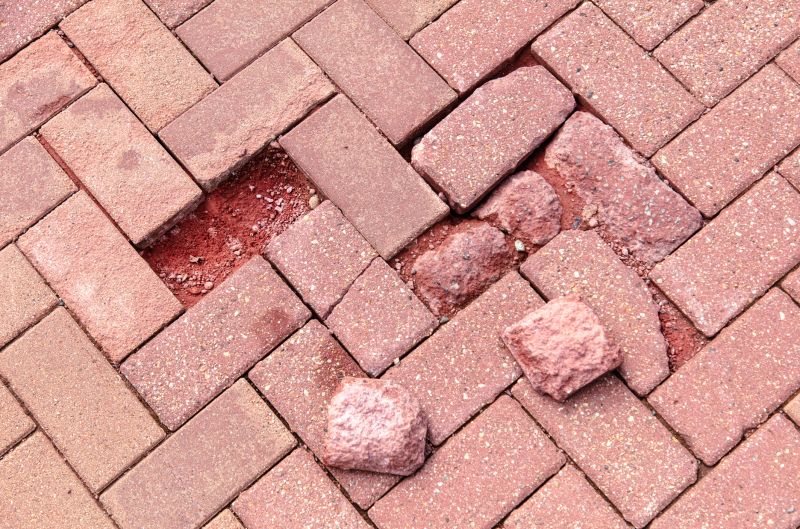
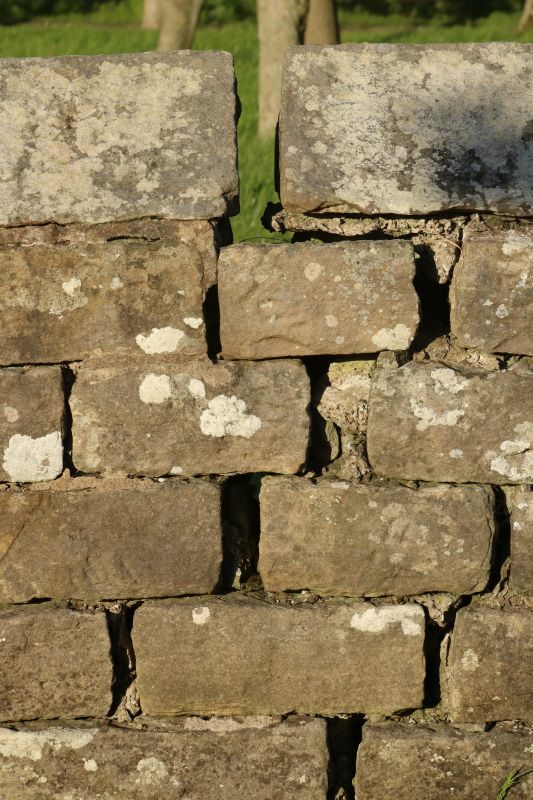
Understanding the common causes of damage in brick and stone flatwork can help property owners identify issues before they become costly repairs. Everyday situations like exposure to freeze-thaw cycles, where water seeps into cracks and expands when frozen, are a frequent culprit. Heavy foot traffic or vehicle weight can also lead to surface wear or cracking over time, especially if the flatwork wasn’t designed to handle such stress. Additionally, improper installation or lack of proper drainage can cause water pooling around the flatwork, leading to deterioration of the mortar joints or stone surfaces. When these issues arise, local contractors who specialize in flatwork repair can assess the damage and recommend appropriate solutions to restore the integrity and appearance of the surface.
Property owners often look up this topic to understand why their brick or stone flatwork has developed cracks, uneven areas, or surface deterioration. Common causes such as soil movement beneath the flatwork, or exposure to harsh weather conditions, can weaken the structure over time. Poorly maintained surfaces that are not sealed or repointed regularly are also more vulnerable to damage. Recognizing these factors can help property owners decide when to seek professional repair services. Local service providers with experience in brick and stone flatwork can address these issues-whether through simple repairs or more extensive restoration-helping to extend the lifespan and maintain the value of the property.
What are common causes of damage in brick and stone flatwork? Common causes include freeze-thaw cycles, poor drainage, and physical impacts that lead to cracking, spalling, or shifting in the flatwork surface.
How does water infiltration contribute to damage in brick and stone flatwork? Water can seep into cracks or porous surfaces, causing erosion and freeze-thaw damage, which can weaken the structure over time.
Can improper installation lead to flatwork damage? Yes, improper base preparation, inadequate joint placement, or incorrect material use during installation can result in early cracking and uneven settling.
What role does vegetation and root growth play in damaging brick and stone flatwork? Roots from nearby plants or trees can exert pressure beneath the surface, causing shifting, cracking, or lifting of the flatwork.
How do environmental factors like temperature fluctuations affect flatwork durability? Extreme temperature changes cause expansion and contraction in the materials, which can lead to cracks and surface deterioration over time.
Water infiltration - Proper drainage and sealing can prevent water from seeping into brick and stone flatwork, reducing the risk of cracking and erosion.
Heavy loads and impact - Avoid placing excessive weight or dropping heavy objects on flatwork surfaces to minimize stress and potential damage.
Freeze-thaw cycles - Ensuring adequate expansion joints and using appropriate materials helps withstand temperature changes that cause cracking.
Poor installation practices - Relying on experienced service providers can ensure proper foundation and setting techniques, reducing damage from installation errors.
If you are thinking about common causes of damage in brick and stone flatwork for a property, this guide is meant to help you understand this topic, the typical project types, and how different options might fit your plans.
When you are ready, you can use the quote form on this page to share a few details about your project. From there, local pros can review the basics and follow up with options that match what you have in mind.