Common Causes of Damage in Commercial Brick and Stone Flatwork
Understanding common causes of damage in commercial brick and stone flatwork helps property owners find experienced local contractors who can effectively repair and restore these surfaces.
Understanding the common causes of damage in commercial brick and stone flatwork is essential for property owners looking to preserve the durability and appearance of their outdoor surfaces. Over time, factors such as freeze-thaw cycles, moisture infiltration, and structural stress can lead to cracking, spalling, or shifting that compromise the integrity of flatwork. For those managing commercial properties in the area, identifying these issues early can prevent more costly repairs down the line, making it worthwhile to explore how local contractors skilled in brick and stone flatwork repair can address these concerns effectively.
Property owners often turn to experienced local service providers when they notice signs of damage or deterioration in their flatwork. Whether it’s addressing damage caused by environmental exposure or addressing underlying structural issues, these specialists can assess the specific causes and recommend appropriate solutions. Keeping an eye on common causes of damage in commercial brick and stone flatwork helps ensure that repairs are timely and tailored to the unique needs of the property, supporting long-term stability and appearance.
- Cracked brick and stone flatwork - when freeze-thaw cycles or ground movement cause damage, local contractors can perform repairs to restore stability.
- Efflorescence and staining - moisture intrusion often leads to surface discoloration, and service providers can address the underlying causes with cleaning and sealing.
- Loose or deteriorated mortar joints - exposure to weather and age can weaken mortar, prompting local pros to repoint and reinforce the flatwork.
- Uneven or sunken surfaces - soil settlement or poor initial installation may require leveling or lifting by experienced repair specialists.
- Cracks from heavy loads or impact - repeated weight or accidental impacts can cause damage, with local contractors offering patching and reinforcement solutions.
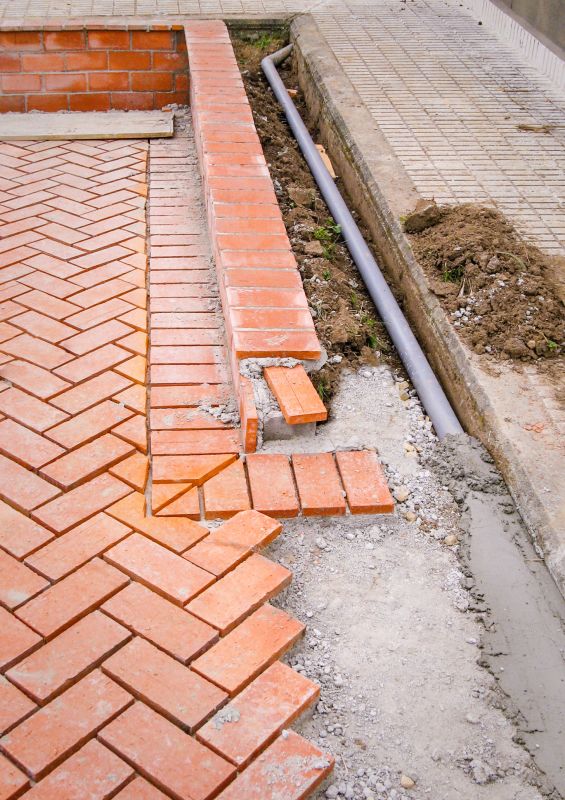
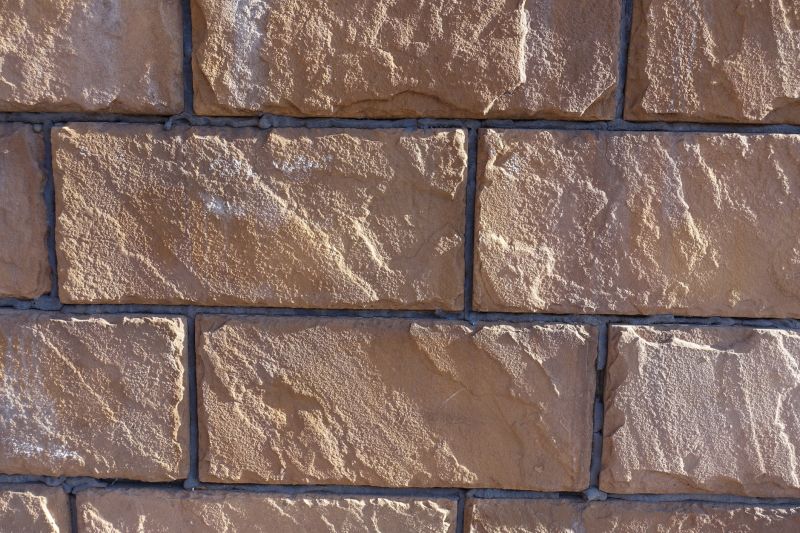
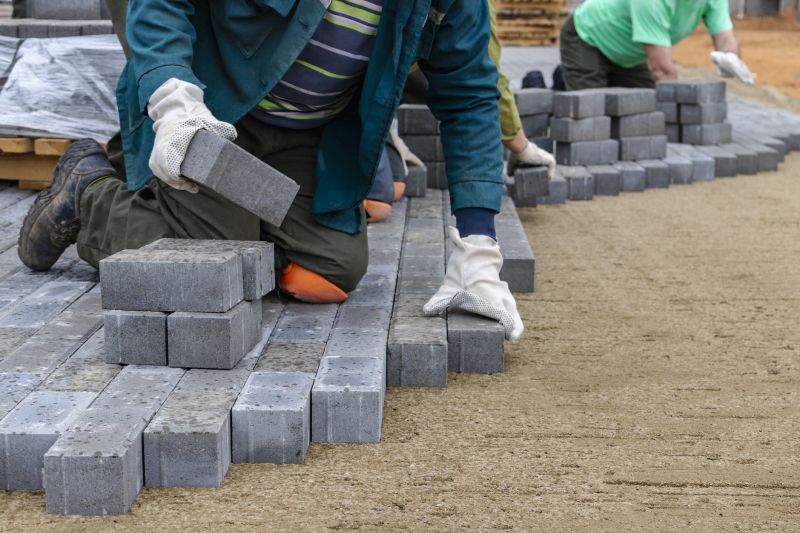
When searching for information about common causes of damage in commercial brick and stone flatwork, property owners often want to understand why their paved surfaces are deteriorating or showing signs of distress. These flat surfaces, which include walkways, patios, plazas, and loading areas, are vital for the safety and functionality of commercial properties. Damage can manifest as cracking, spalling, uneven settling, or surface erosion, and understanding the root causes helps property owners plan effective repairs and maintenance. The focus is usually on identifying issues early to prevent further deterioration and to preserve the structural integrity of the flatwork.
The problems related to damage in commercial brick and stone flatwork often stem from a combination of environmental, structural, and material factors. Common causes include water infiltration, which can weaken the mortar joints and cause freeze-thaw damage in colder climates. Heavy loads and repeated traffic can lead to cracking and surface wear over time. Poor installation practices, such as inadequate base preparation or improper joint spacing, also contribute to early failure. Additionally, shifting soil beneath the flatwork can cause uneven settling, leading to cracks and uneven surfaces. Recognizing these issues helps property owners understand the importance of proper installation and ongoing maintenance, and how local service providers can address these specific causes.
Certain types of properties are more likely to experience damage in their brick and stone flatwork, especially those with high foot or vehicle traffic. Commercial properties like retail centers, office complexes, industrial facilities, and parking lots frequently see wear and tear due to constant use. Properties located in climates with significant temperature fluctuations are also more prone to freeze-thaw cycles that damage the flatwork. Additionally, older buildings with outdated construction methods or materials may be more susceptible to deterioration. Understanding the typical property types affected by these issues helps property owners identify when professional repair services are needed to restore safety and appearance.
Local contractors who specialize in brick and stone flatwork repair are equipped to diagnose the specific causes of damage and recommend appropriate solutions. Whether the problem is related to water infiltration, load stress, or improper installation, these service providers can perform targeted repairs to restore the flatwork’s strength and appearance. They also advise on preventive measures, such as proper sealing and drainage improvements, to reduce future damage. For property owners facing issues with their commercial flatwork, connecting with experienced local pros ensures that repairs address the root causes and help extend the lifespan of the surface. This approach supports maintaining a safe, functional, and visually appealing property.
Paving restoration projects - local contractors often handle paving repairs that require similar skills in addressing cracks, settling, and surface deterioration caused by environmental factors affecting brick and stone flatwork.
Retaining wall construction - building and repairing retaining walls involves planning and skills comparable to those used in maintaining the structural integrity of brick and stone flatwork exposed to shifting ground and moisture.
Concrete slab repair - local service providers frequently perform concrete flatwork repairs that share techniques for managing cracking, settling, and surface damage similar to issues in brick and stone surfaces.
Patio and walkway installation - installing or restoring patios and walkways involves planning and skills aligned with addressing common causes of damage in commercial flatwork, such as movement and surface wear.
Waterproofing and sealing services - these projects require understanding of moisture-related issues that can cause damage to brick and stone flatwork, with local contractors applying similar techniques for protection and prevention.
Drainage system installation - proper drainage planning and installation help prevent water-related damage in flatwork, a critical aspect that local service providers manage in their repair and maintenance projects.
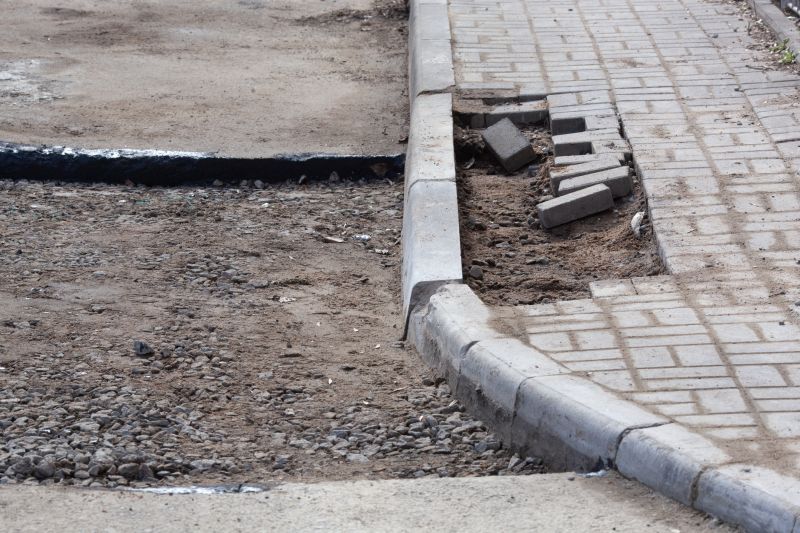
When evaluating service providers for commercial brick and stone flatwork repair, it is important to consider their experience with similar projects. Local contractors who have a proven track record in addressing common causes of damage-such as water infiltration, freeze-thaw cycles, or improper installation-are more likely to understand the specific challenges that these materials face. An experienced professional can assess the extent of damage accurately and recommend effective repair strategies tailored to the unique conditions of commercial flatwork, helping ensure long-lasting results.
Clear and detailed written expectations are essential when comparing local contractors. A reputable service provider should be able to outline the scope of work, the materials to be used, and the methods involved in repairing common causes of damage in commercial brick and stone flatwork. Having this information in writing helps prevent misunderstandings and provides a transparent basis for evaluating each contractor’s approach. It also allows property owners to compare the proposed solutions and ensure that the repair process aligns with the specific needs of the project.
Reputable references and strong communication skills are key indicators of a reliable contractor. Service providers with positive references from previous clients can offer insight into their ability to handle similar projects effectively. Good communication ensures that property owners are kept informed throughout the repair process, from initial assessment to completion. This transparency helps build confidence in the contractor’s professionalism and commitment to quality, making it easier to select a partner capable of addressing common causes of damage in commercial brick and stone flatwork with confidence.
Property owners often search for common causes of damage in commercial brick and stone flatwork when they are planning practical projects around their homes and businesses. Local pros provide Commercial Brick and Stone Flatwork Repair services for everyday jobs and straightforward project options.
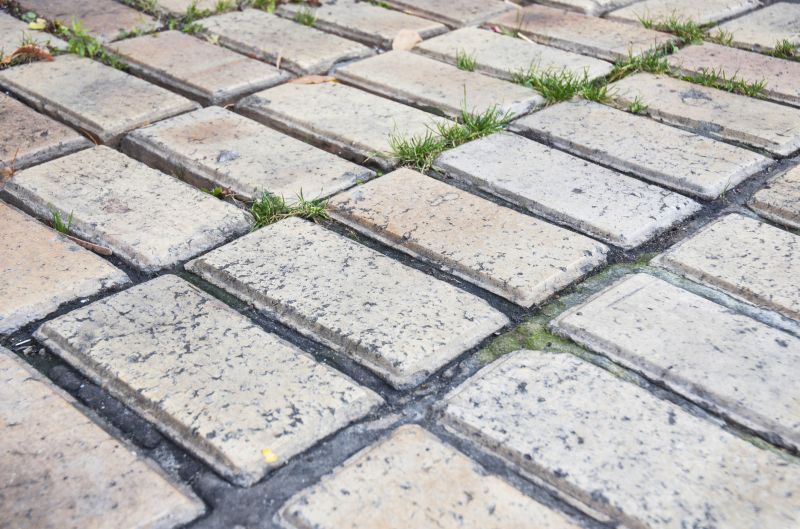
Commercial brick and stone flatwork can experience damage over time due to a variety of common causes encountered in everyday project situations. Heavy foot traffic, frequent vehicle movement, and exposure to the elements can lead to cracks, chipping, and uneven surfaces. Property owners often notice issues like loose or crumbling bricks and stones after seasonal changes or prolonged exposure to moisture, which can weaken the integrity of the flatwork. Additionally, improper installation or subpar materials used during initial construction can make the surface more susceptible to damage, prompting property owners to seek repair services from experienced local contractors.
Other typical factors contributing to damage include ground shifting or settling, which can create uneven surfaces or cracks in the brick and stone flatwork. Poor drainage around the property can cause water to pool or seep into the foundation, accelerating deterioration. Accidental impacts from equipment or vehicles, along with freeze-thaw cycles that cause expansion and contraction, also play a significant role in damaging these surfaces. Property owners noticing signs of these issues often turn to local service providers who specialize in brick and stone flatwork repair, ensuring the damage is properly assessed and restored to maintain safety and appearance.
What are common causes of damage in commercial brick and stone flatwork? Common causes include exposure to moisture, freeze-thaw cycles, improper installation, and structural shifting, all of which can lead to cracking, spalling, or settling. Local contractors experienced in flatwork repair can assess and address these issues effectively.
How does water exposure contribute to damage in brick and stone flatwork? Water infiltration can weaken the mortar and stone or brick materials, leading to deterioration over time. Proper sealing and drainage by local service providers can help prevent water-related damage.
Can temperature changes cause damage to brick and stone flatwork? Yes, freeze-thaw cycles can cause expansion and contraction, resulting in cracking and spalling. Local pros can perform repairs and recommend measures to minimize temperature-related damage.
What role does improper installation play in flatwork damage? Incorrect placement or inadequate foundation can lead to uneven settling and cracking. Skilled local contractors can identify installation issues and carry out necessary repairs to restore flatwork integrity.
How does structural movement affect brick and stone flatwork? Shifting or settling of the underlying foundation can cause cracks and uneven surfaces. Local service providers can evaluate foundation stability and perform repairs to prevent further damage.
Water infiltration issues - Property owners can prevent damage by ensuring proper drainage around flatwork and scheduling repairs with local contractors to fix cracks and gaps that allow water to seep in.
Freeze-thaw cycle damage - Regular inspections and timely repairs by local service providers can help address freeze-related cracks before they expand and cause further deterioration.
Heavy loads and traffic - Planning for appropriate load-bearing capacity and consulting local pros for reinforcement can minimize stress-related damage from heavy equipment or frequent foot traffic.
Poor installation practices - Ensuring proper base preparation and material application through experienced local contractors can reduce the risk of early cracking and uneven settling.
If you are thinking about common causes of damage in commercial brick and stone flatwork for a property, this guide is meant to help you understand this topic, the typical project types, and how different options might fit your plans.
When you are ready, you can use the quote form on this page to share a few details about your project. From there, local pros can review the basics and follow up with options that match what you have in mind.